
Unsere Einschätzung
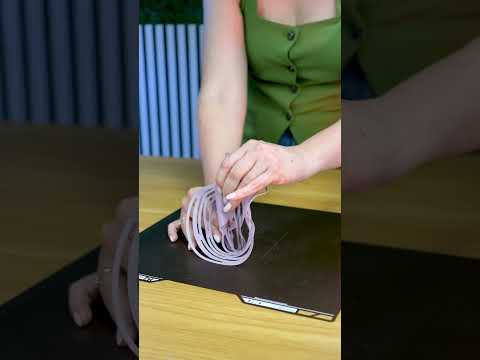
In diesem Video wird erklärt, wie Feuchtigkeit TPU-Filamente negativ beeinflussen kann. Es werden Tipps gegeben, um die Druckqualität zu verbessern und die Lebensdauer der Düsen zu verlängern.
The RECREUS 3D PRINTING channel focuses on innovative materials in 3D printing, particularly on flexible filaments like Filaflex. The videos offer valuable information on new products and technologies in the 3D printing field.
In diesem Video wird erklärt, wie Feuchtigkeit TPU-Filamente negativ beeinflussen kann. Es werden Tipps gegeben, um die Druckqualität zu verbessern und die Lebensdauer der Düsen zu verlängern.
In diesem Video wird gezeigt, wie man mit Filaflex Foamy eine modische Handtasche druckt. Das Material bietet eine leichte, elastische und strapazierfähige Lösung für innovative Modeaccessoires.
In diesem Video wird erklärt, was die Shore-Härtewerte von TPU-Filamenten bedeuten. Es wird empfohlen, mit 95A zu beginnen, da es einfacher zu drucken ist, während weichere Werte wie 60A für spezielle Anwendungen geeignet sind.
In diesem Video wird gezeigt, wie ein P2S Drucker auf 2,20 mm angepasst wurde. Der Upgrade-Prozess verlief reibungslos und der Drucker kann nun flexible Objekte drucken, ohne dass es zu Fäden kommt.
In diesem Video wird erklärt, wie die Änderung des Filamentdurchmessers auf 2.20mm die Druckgeschwindigkeit von TPU revolutionieren kann. Anstatt Hardware-Upgrades vorzunehmen, wird hier eine einfache, aber effektive Lösung präsentiert.
In diesem Video wird gezeigt, dass 3D-Druck nicht nur für starre Teile geeignet ist. Die Community präsentiert beeindruckende flexible Drucke, darunter funktionale Objekte wie eine Gitarre und Teile eines Kinderrollstuhls.
In diesem Video wird erklärt, warum die Verwendung von 95A für 3D-gedruckte Schuhsohlen ungeeignet ist. Stattdessen wird empfohlen, weichere Materialien wie das Recreus Filaflex Foamy zu verwenden, um eine bessere Flexibilität und Leichtigkeit zu erreichen.
In diesem Tutorial wird gezeigt, wie man mit dem Filaflex 2.20mm Filament die Druckgeschwindigkeit für TPU auf bis zu 4x steigern kann. Der Bambu Lab H2D wird als Beispiel verwendet, um die Vorteile des neuen Systems zu demonstrieren.
In diesem Tutorial wird erklärt, wie man das Filaflex 2.20 Filament mit dem Bambu Lab H2D Drucker für Dual Extrusion verwendet. Es werden auch Anleitungen für andere Prusa Druckermodelle bereitgestellt.
Das Video erklärt den 'Effekt Foamy', der durch den Einsatz von Recreus Filaflex Foamy erreicht wird. Dieser TPU ist leicht und flexibel, ideal für technische Anwendungen wie Schuhe und Prothesen.
In diesem Video erklärt Ignacio von Recreus den häufigsten Fehler beim Drucken mit flexiblem Filament und gibt wertvolle Tipps zur richtigen Handhabung. Flexible Materialien erfordern spezielle Einstellungen, um ein optimales Druckergebnis zu erzielen.
In diesem Video wird die Prusa AFS, eine automatische 3D-Druckfarm, vorgestellt, die mit dem Filaflex 2.20 System ausgestattet ist. Es wird demonstriert, dass die Farm in der Lage ist, 4,5 Paar Schuhe pro Tag zu produzieren, indem alle Düsen auf das flexible Filament umgerüstet werden.
In diesem Video wird gezeigt, wie Silikon in einem Gel gedruckt wird, um komplexe, wasserdichte Teile mit einer beeindruckenden Oberflächenqualität zu erzeugen. Die Technik ermöglicht neue Anwendungen im Bereich des flexiblen 3D-Drucks.
In diesem Video wird TPA vorgestellt, ein flexibles Material auf Basis von Polyamid 12, das sich durch hohe Widerstandsfähigkeit und einfache Reinigung auszeichnet. Es eignet sich hervorragend für Hochleistungsanwendungen wie Laufschuhbumper und industrielle Teile.
In diesem Video wird gezeigt, wie man mit dem Prusa XL und dem neuen Silikon-Druckkopf echte Silikonobjekte drucken kann. Die innovative duale Struktur des Filaments ermöglicht es, eine starre äußere Schicht zu extrudieren, die anschließend entfernt wird, um flexibles Silikon freizulegen.
In diesem Video wird die Druckgeschwindigkeit von Filaflex 60A und 82A in den Durchmessern 1.75 mm und 2.20 mm verglichen. Es zeigt sich, dass mit dem 2.20 mm System die Druckzeit erheblich verkürzt werden kann, ohne die Oberflächenqualität zu beeinträchtigen.
In diesem Video wird demonstriert, wie die Druckzeit mit dem Filaflex 2.20 mm System auf dem Bambu Lab P2S von 5 Stunden auf 2,5 Stunden halbiert werden kann. Der Fokus liegt auf der Verwendung von Filaflex 82A und der Effizienzsteigerung bei hohen Infill-Dichten.
In this video, the Snapmaker U1 is tested with Filaflex 2.20mm filament to print flexible sneakers. The demonstration showcases the impressive speed and flexibility of the printer when processing different materials.
This tutorial shows how to increase the printing speed of TPU by up to 4x using the Filaflex 2.20mm system. The Bambu Lab H2S is used as an example to demonstrate the installation and benefits of the new system.
In this video, Filaflex 60A is tested on a Bambu Lab P2S to compare the printing speed with two different extrusion systems. The 2.20 system allows for a significant time savings of 37.5% when printing with flexible material.
In this video, the myth is debunked that thicker filament like the Recreus Filaflex 2.20mm leads to a loss of precision. The viewer learns that it's not just about the size of the filament, but about the control during printing. Additionally, it is explained how to print flexible parts three times faster without losing detail accuracy.
This video presents the Filaflex 2.20 system from Recreus, which revolutionizes the printing speed and strength of flexible materials. The viewer learns how to double the production speed without having to buy new machines. The system allows for an impressive flow rate of 15 mm³/s with soft materials like 82A.
In this video, the new Filaflex 2.20mm system from Recreus is presented, offering a revolutionary solution for printing flexible materials. The viewer learns how this system significantly increases printing speed while minimizing the risk of clogs. Additionally, the compatibility with existing 1.75mm filaments is highlighted, allowing for seamless integration into existing printers.
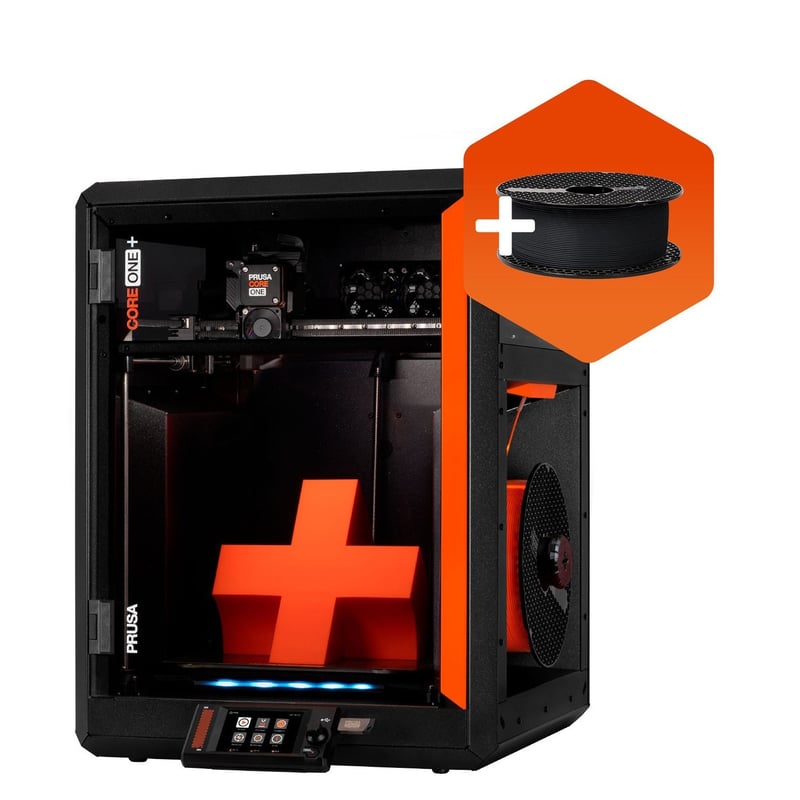
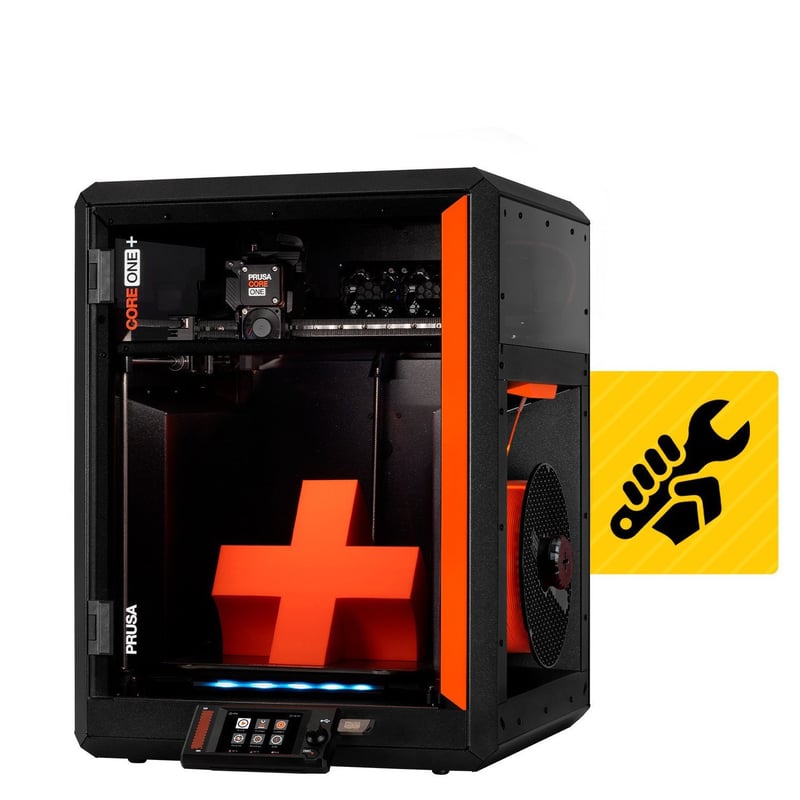
Prusa Research Core One
Prusa
Prusa Research Core One
Prusa
Bambu Lab P2S
Bambu Lab P2S
Bambu Lab P2S
Bambu Lab P1S
Bambu Lab P1S
Bambu Lab
Prusa Research Core One
Prusa
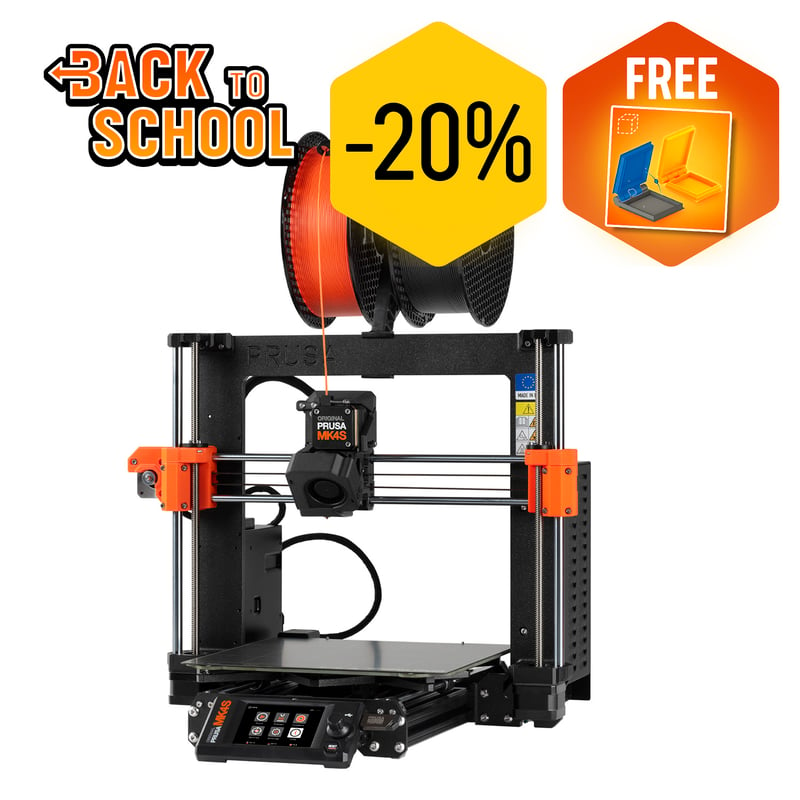
Prusa Research MK4S
Prusa
Prusa Research MK4S
Prusa
Prusa Research MK4S
Prusa
Bambu Lab P1P
Bambu Lab P1P
Bambu Lab P1P
P1P/P1S
This video demonstrates how to print four times faster with the Bambu Lab P2S TPU filament by installing the new Filaflex 2.20mm. The viewer will learn how to significantly increase print speed through a simple hotend exchange while avoiding the risk of clogs. Additionally, the functionality of the innovative 2.20mm system is explained.
Bambu Lab P1S
Bambu Lab
Bambu Lab P2S
Bambu Lab P2S
Bambu Lab P2S
Bambu Lab P1S
Prusa Research MK4S
Prusa
Prusa Research MK4S
Prusa
Prusa Research MK4S
Prusa
Bambu Lab P1P
Bambu Lab P1P
Bambu Lab P1P
Filaflex 2.20mm
Recreus
Filaflex 2.20mm
Recreus
Filaflex 2.20mm
Recreus
P1P/P1S
This video demonstrates how to print TPU filament faster using the Filaflex 2.20mm system. The viewer will learn how to quadruple the printing speed through a simple hotend swap while avoiding clogs. Additionally, the functionality and advantages of the new system are explained.
Bambu Lab P1S
Bambu Lab
Bambu Lab P1S
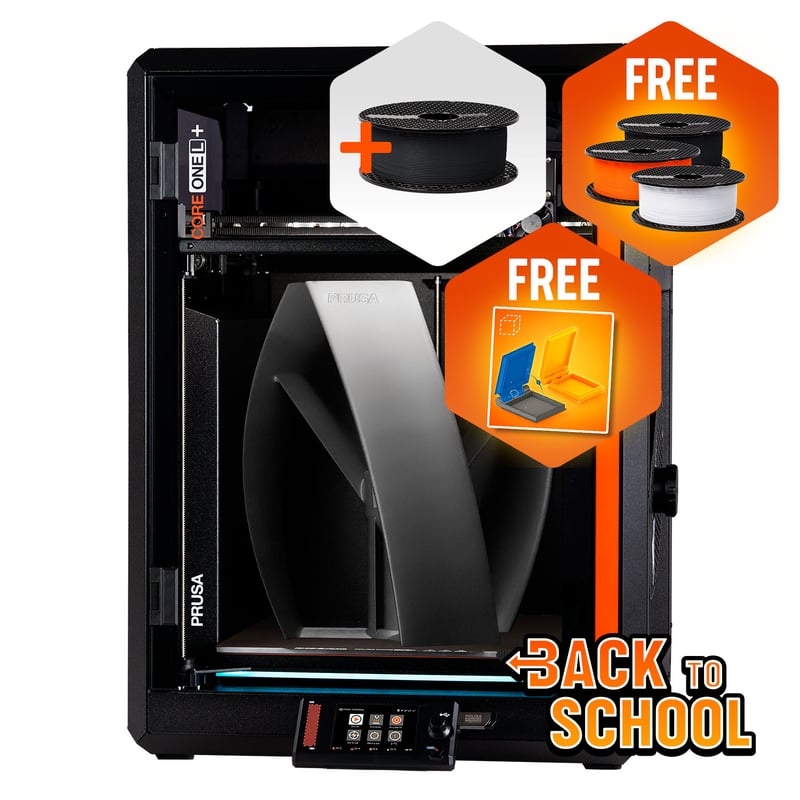
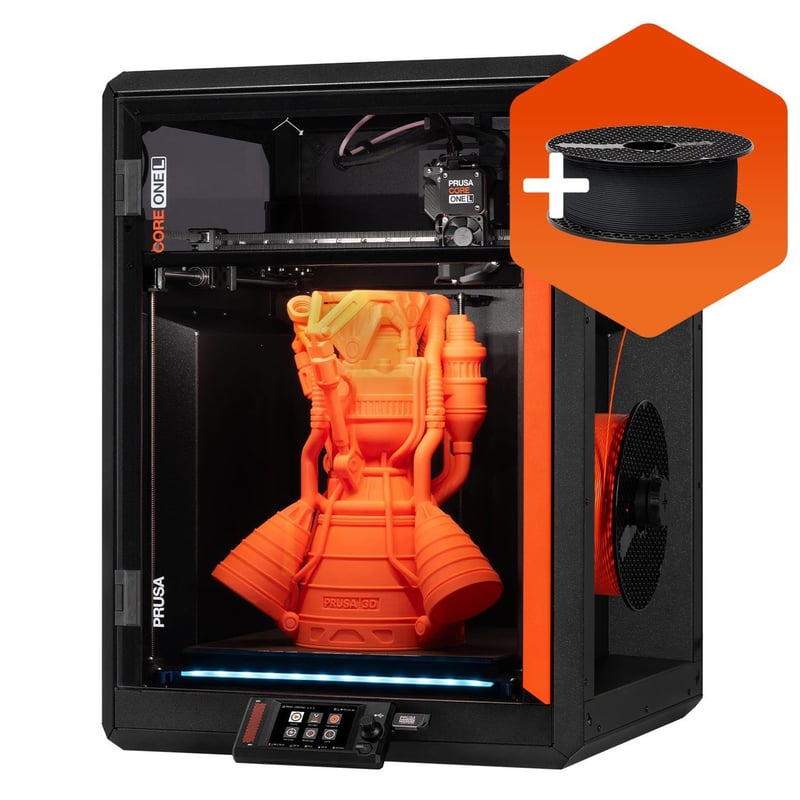
Prusa Research Core One L
Prusa
Prusa Research Core One L
Prusa
Prusa Research Core One
Prusa
Prusa Research Core One
Prusa
Prusa Research Core One
Prusa
Prusa Research MK4S
Prusa
Prusa Research MK4S
Prusa
Prusa Research MK4S
Prusa
Bambu Lab P1P
Bambu Lab P1P
Bambu Lab P1P
P1P/P1S
This video demonstrates how to increase the printing speed for TPU using Filaflex 2.20mm filament by up to four times. The viewer will learn how to change the hotend and take advantage of the new system to avoid printing errors and clogs. Additionally, the compatibility with various printer models is explained.
Bambu Lab P1S
Bambu Lab P1S
Bambu Lab
Prusa Research Core One
Prusa
Prusa Research Core One
Prusa
Prusa Research Core One
Prusa
Prusa Research MK4S
Prusa
Prusa Research MK4S
Prusa
Prusa Research MK4S
Prusa
Bambu Lab P1P
Bambu Lab P1P
Bambu Lab P1P
Filaflex 2.20mm
Recreus
Filaflex 2.20mm
Recreus
Filaflex 2.20mm
Recreus
P1P/P1S
In this video, the innovative filament Recreus Filaflex Foamy is presented, which allows for an expansion of up to 1.6x through its Dynamic Foamy Technology. The viewer learns how to save up to 50-60% material by using this filament, while simultaneously creating ultra-lightweight and flexible structures for applications such as footwear and drones.
This video explains how to switch between 1.75 mm and 2.20 mm filament without changing the electronics or the extruder. The viewer learns how the new Recreus system combines flexibility and rigidity in a 3D printer. Additionally, the advantages of the quick hotend change are discussed.
In this video, the new Filaflex 2.20 mm filament is introduced, which offers better flexibility and efficiency in 3D printing. The viewer learns that this filament is 100% compatible with existing 1.75 mm systems and allows for higher printing speeds. Additionally, it is explained how using an optimized hotend significantly improves the printing of flexible parts.
In this video, Ignacio García, CEO of Recreus, presents the new Filaflex 2.20 mm, which accelerates flexible printing by three times. The viewer learns how this filament is compatible with existing 1.75 mm systems and can print elastic parts like shoes in no time. The innovation promises a revolution in the field of flexible 3D printing.
This video presents the new 2.20 mm flexible filament from Recreus, which represents a revolution in 3D printing. The viewer learns how this system can triple the printing speed and what advantages it offers for the use of flexible materials. Additionally, future kits and updates for the 2.20 ecosystem are announced.
This video presents the new Filaflex 2.20mm standard technology, which significantly accelerates printing with flexible materials while minimizing the risk of clogs. The viewer will learn how this innovation increases print speed by up to 3.7x and which printers are compatible with this system. Additionally, the advantages of the new standard compared to conventional filaments are explained.
Bambu Lab P1S
Bambu Lab
Bambu Lab P1S
Prusa Research MK4S
Prusa
Prusa Research MK4S
Prusa
Prusa Research MK4S
Prusa
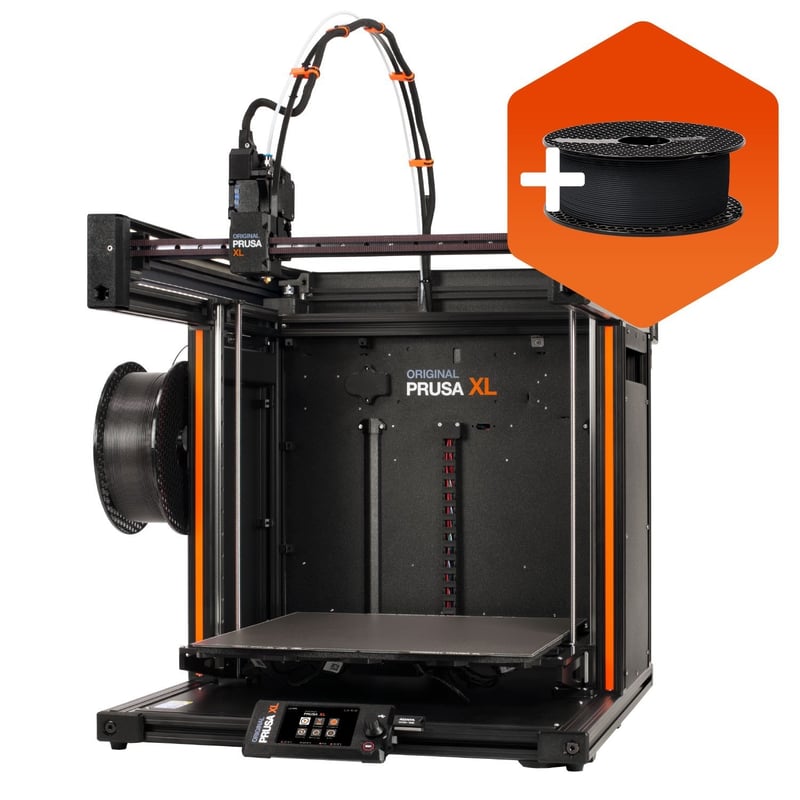
Prusa Research XL
Prusa
Prusa Research XL
Prusa
Prusa Research XL
Prusa
Bambu Lab P1P
Bambu Lab P1P
Bambu Lab P1P
Bambu Lab X1C
* Produktlinks sind Affiliate-Links. Bei einem Kauf erhalten wir eine kleine Provision – für dich bleibt der Preis gleich.