
3D Printing Wiki
Your comprehensive reference for 3D printing. From basics to expert knowledge – explained clearly.
Categories
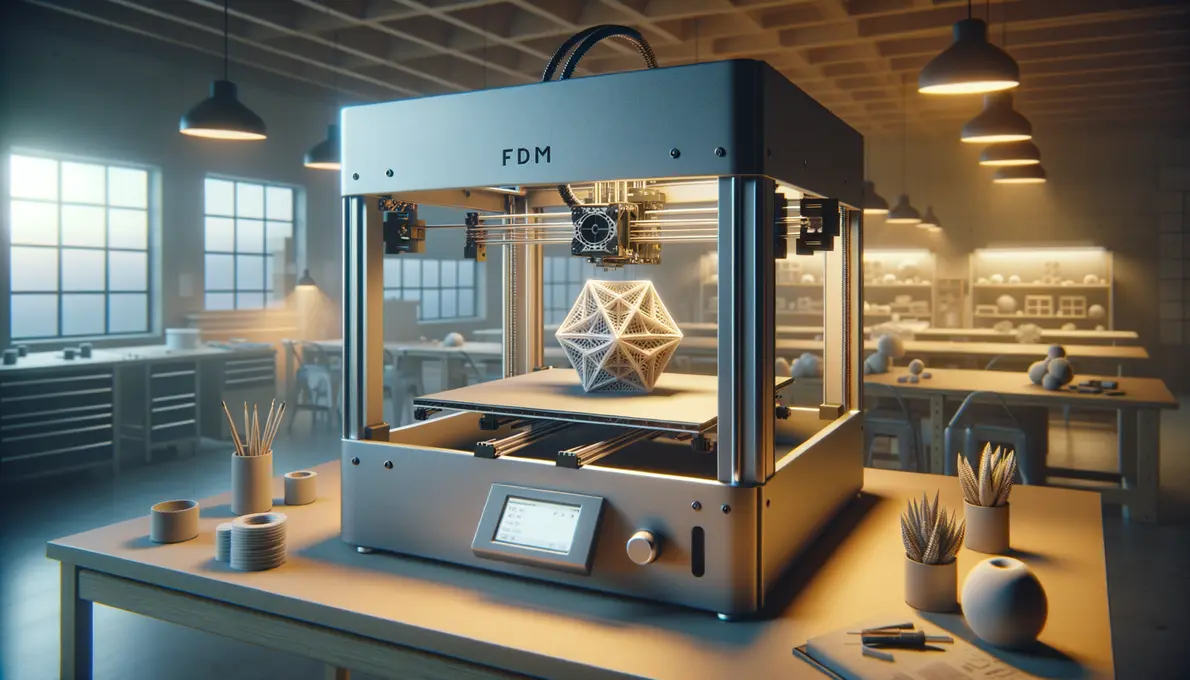
Everything about FDM, SLA, SLS and other 3D printing technologies
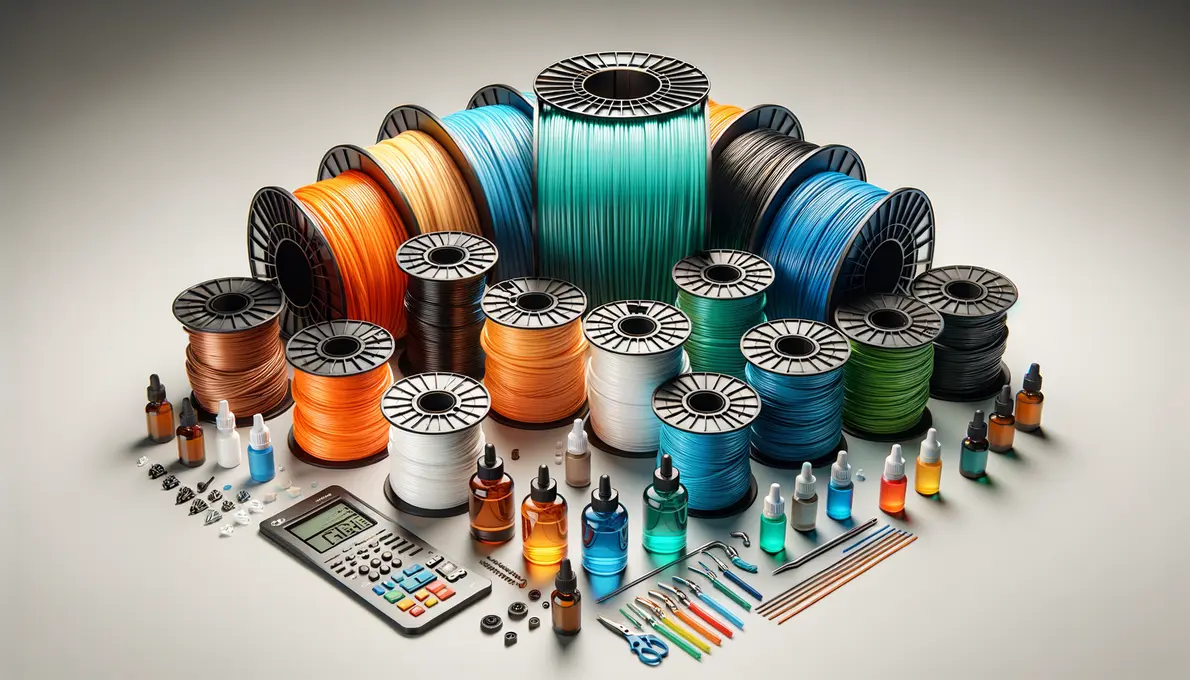
Filaments, resins and specialty materials for 3D printing

Slicer programs, 3D modeling and firmware
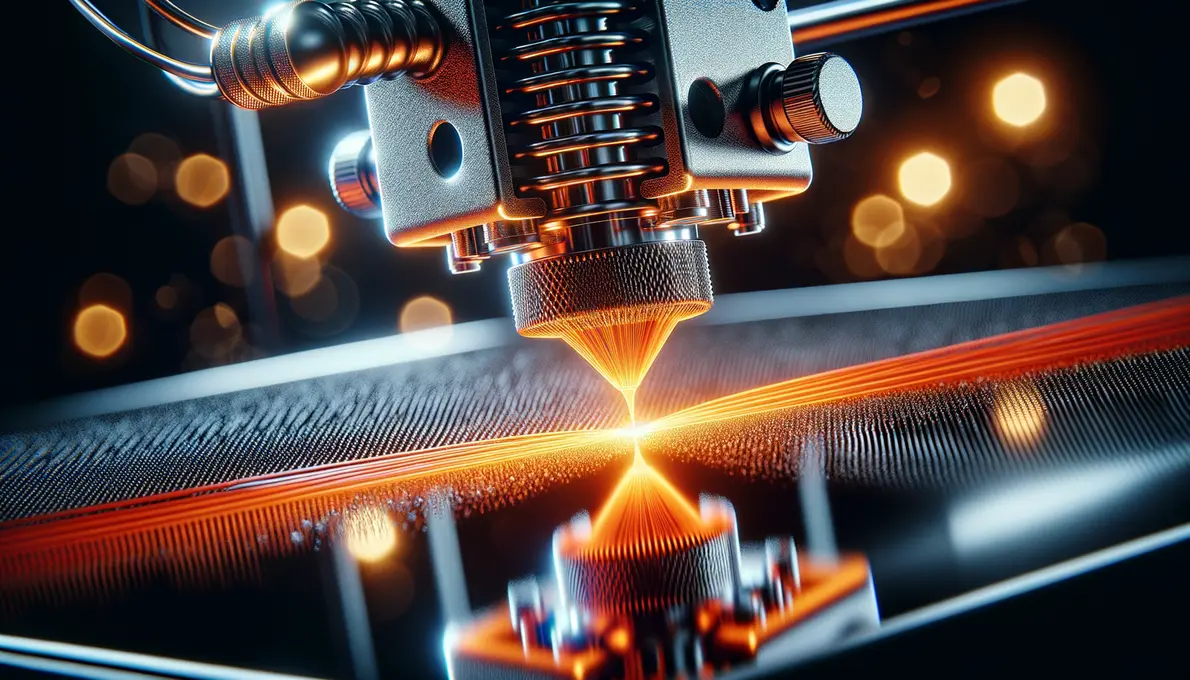
Printing techniques, calibration and fundamentals
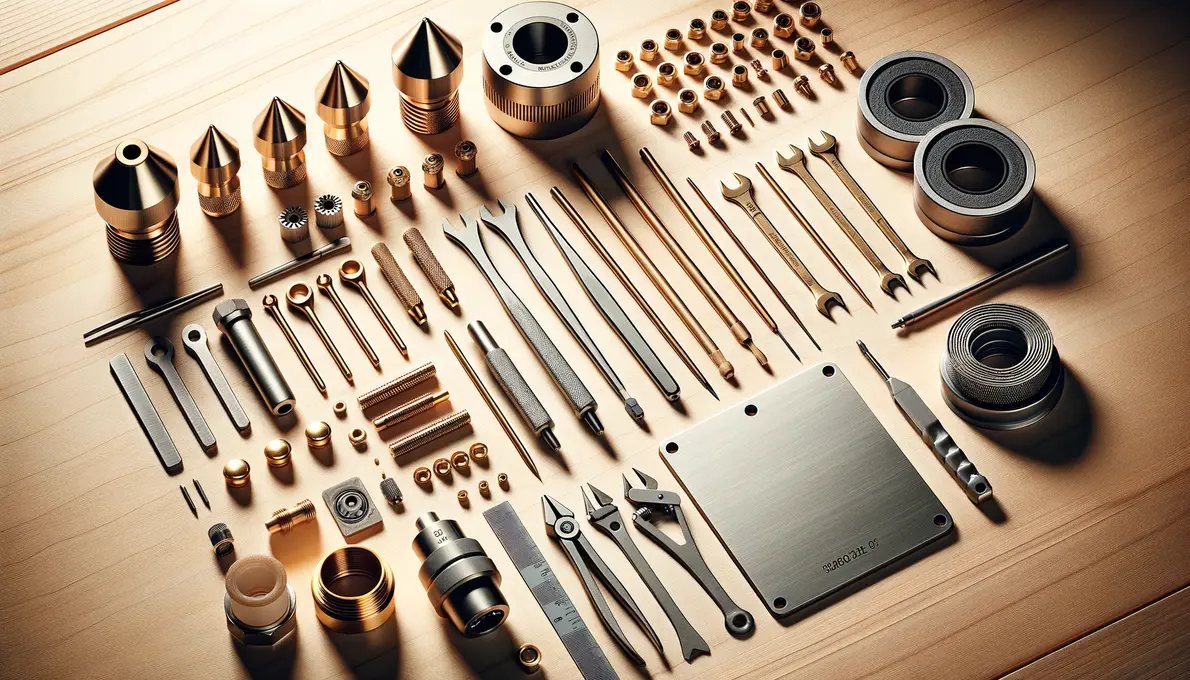
Nozzles, print beds, upgrades and tools
Identifying, understanding and fixing print defects

Applications, projects and business models
Technical terms, comparison tables and reference works

Latest Articles
All ArticlesTypical beginner mistakes and how to avoid them
Systematic overview of typical 3D printing beginner mistakes with specific solutions for hardware, software, and materials.
What is 3D printing? — History, Overview, Future
3D printing includes additive manufacturing processes such as FDM and SLA. Materials ranging from PLA to Nylon enable versatile applications in both industry and private sectors.
Understanding G-Code: What the printer really reads
G-Code Basics: Understanding Structure, Parameters, Motion Commands, and Firmware Compatibility for 3D Printers
Layer height: When 0.1mm, when 0.3mm?
Layer height determines print quality and time. 0.08-0.28mm for 0.4mm nozzles. Technical limits, speed adjustment, and material-specific parameters.
Hotend types: All-Metal vs. PTFE-lined
All-Metal vs. PTFE-lined Hotends: Construction, Material Compatibility, and Wear Behavior with Different Filaments in Technical Comparison.
Calibrating Input Shaper: Eliminating vibrations for perfect print quality
Calibrating Input Shaper correctly: Mounting the accelerometer, measuring resonances, eliminating vibrations. Practical guide for ADXL345 and MPU series.