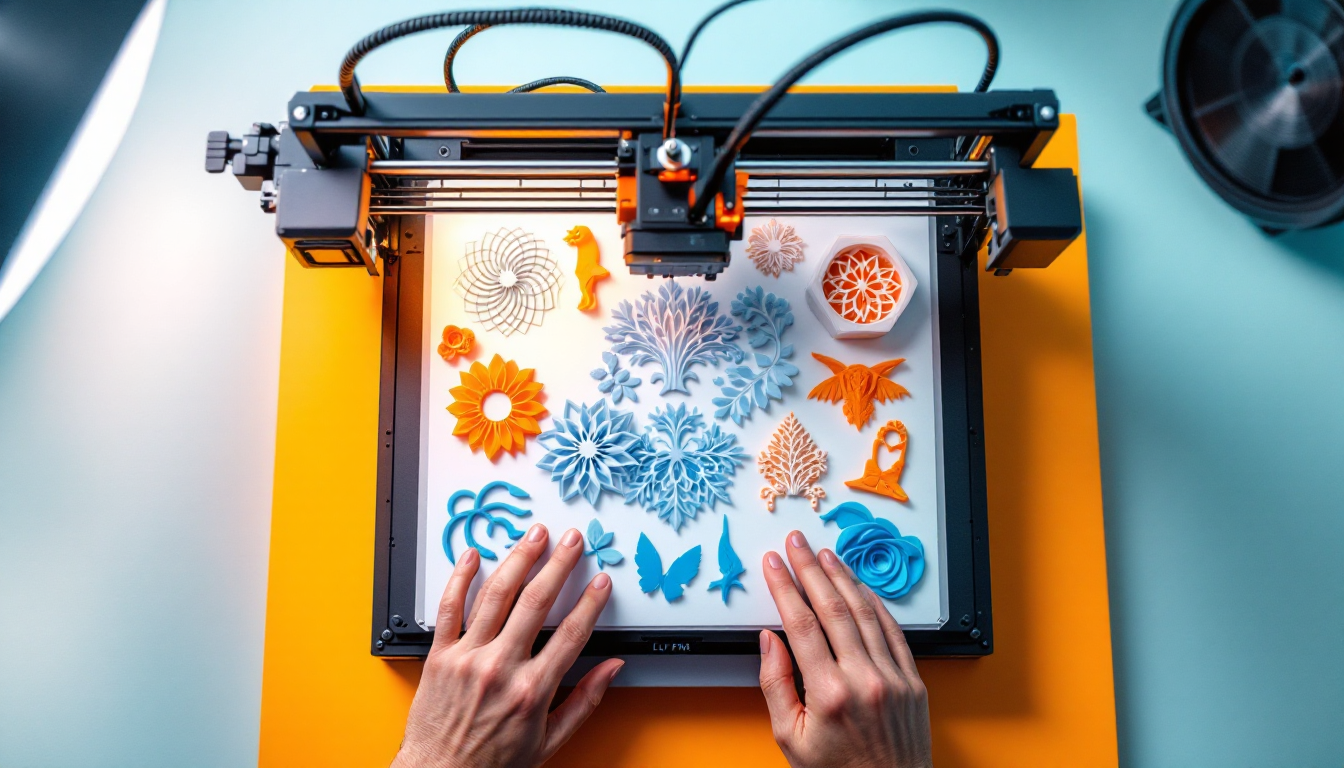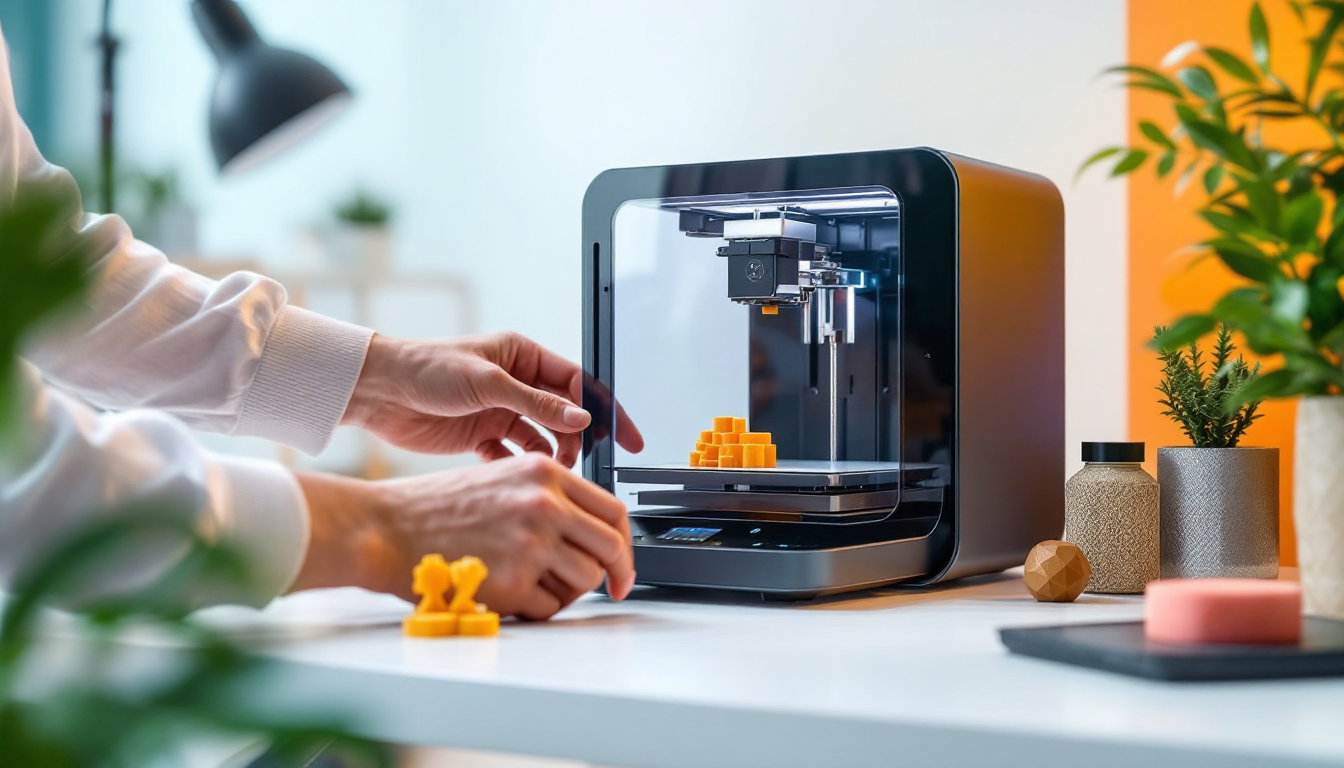
The industry is undergoing a transformation accelerated by the integration of 3D printing technologies. Companies like Eaton are showcasing how these technologies can enhance flexibility and efficiency in production. 3D printing allows for faster prototyping and real-time adjustments, leading to significant cost savings.
Eaton, a global leader in manufacturing, has recognized that using 3D printing not only shortens production times but also drastically reduces inventory costs. By printing components in-house, companies can optimize their supply chains and decrease reliance on external suppliers. This results in faster time-to-market and improved competitiveness.
An example of this approach is the use of robust filaments like <a href="https://www.awin1.com/pclick.php?p=43341595031&a=1939445&m=21761" rel="nofollow noopener sponsored" target="_blank" class="inline-product-link">Nobufil ABSx Industrial Petrol - 1.75 mm / 1000 g</a> or <a href="https://www.awin1.com/pclick.php?p=42280641225&a=1939445&m=21761" rel="nofollow noopener sponsored" target="_blank" class="inline-product-link">Nobufil PETG Industrial Brown - 1.75 mm / 1000 g</a>, which are specifically designed for industrial applications. These materials not only offer high strength but also excellent temperature resistance, making them ideal for demanding environments.
Implementing 3D printing technologies allows companies to revolutionize their design processes. Engineers can design complex components that would be unfeasible with traditional manufacturing methods. This not only leads to more innovative products but also a more efficient use of materials. With filaments like <a href="https://www.awin1.com/pclick.php?p=42280641223&a=1939445&m=21761" rel="nofollow noopener sponsored" target="_blank" class="inline-product-link">Nobufil PETG Industrial Red - 1.75 mm / 1000 g</a> and <a href="https://www.awin1.com/pclick.php?p=40817694033&a=1939445&m=21761" rel="nofollow noopener sponsored" target="_blank" class="inline-product-link">Nobufil PCTG Industrial Turquoise - 1.75 mm / 1000 g</a>, the production of lightweight yet sturdy components that meet the specific requirements of the industry becomes possible.
Another advantage is the ability to shift from mass production to a more customer-oriented manufacturing approach. Through 3D printing, companies can offer customized solutions tailored to the specific needs of their customers. This increases customer satisfaction and strengthens customer loyalty.
The future of the industry will heavily depend on the ability to integrate new technologies like 3D printing. Companies that adopt these technologies early will not only reduce their production costs but also significantly enhance their innovative capacity. In today’s fast-paced business world, it’s crucial to remain flexible and actively shape change.
To benefit from the advantages of 3D printing, companies should invest in high-quality materials. Filaments like <a href="https://www.awin1.com/pclick.php?p=42276093361&a=1939445&m=21761" rel="nofollow noopener sponsored" target="_blank" class="inline-product-link">Nobufil PETG Industrial Beige - 1.75 mm / 1000 g</a> and <a href="https://www.awin1.com/pclick.php?p=40266723779&a=1939445&m=21761" rel="nofollow noopener sponsored" target="_blank" class="inline-product-link">Nobufil PCTG Industrial Teal - 1.75 mm / 1000 g</a> provide an excellent opportunity to ensure the quality of the products manufactured while optimizing production costs. It’s time to fully leverage the possibilities of 3D printing and sustainably transform the industry.